
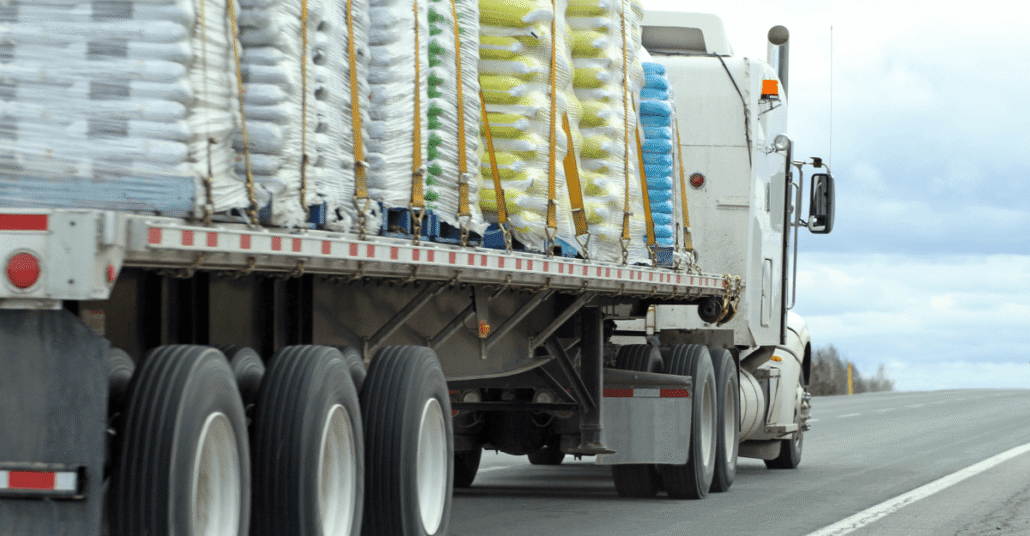
Overweight Trucks: Enforcement Failures and Their Impact on Accident Liability
A sudden encounter with a commercial semi-truck on Interstate 10 or Highway 90 is a daily reality for drivers across Jackson County. When an 18-wheeler operates within statutory weight limits, it already requires extensive stopping distance and specialized driver caution. When a motor carrier loads a trailer far beyond legal tonnage thresholds, that vehicle turns into an uncontrollable kinetic hazard. Overloaded freight carriers strain mechanical components, cause air brake fade, double emergency stopping distances, and alter crash force dynamics during a collision.
For motorists injured in Pascagoula, Moss Point, Gautier, or surrounding Gulf Coast communities, understanding why an overweight truck failed to stop can prove vital to an injury claim. Weight enforcement protocols are established to protect public infrastructure and motorist safety, yet operational enforcement gaps allow dangerously heavy loads onto state highways every day. Holding responsible commercial entities accountable requires analyzing statutory compliance, mechanical engineering standards, and multi-party supply chain liability.
What Are the Legal Weight Limits for Commercial Trucks in Mississippi?
Under Mississippi Code Section 63-5-33, the maximum gross vehicle weight limit for commercial trucks is 80,000 pounds without a special permit. Single axles are capped at 20,000 pounds, while tandem axles cannot exceed 34,000 pounds pursuant to Mississippi Code Section 63-5-27 to prevent severe structural and mechanical hazards.
Commercial motor vehicle weights in Mississippi are strictly regulated by state law to preserve highway infrastructure and protect vehicle handling capabilities. Under Mississippi Code Section 63-5-33, the maximum gross vehicle weight permitted on state highways and interstate corridors is set at 80,000 pounds for standard five-axle combination vehicles, unless the motor carrier has obtained an official overweight permit from the Mississippi Department of Transportation.
To prevent excessive weight concentration on localized structural points, Mississippi Code Section 63-5-27 establishes specific maximum loads for individual axle configurations:
- Single Axle Limits: Maximum single axle load is capped at 20,000 pounds.
- Tandem Axle Limits: Maximum tandem axle assembly load is restricted to 34,000 pounds.
- Bridge Formula Compliance: Total allowable weight across multiple axle groups is calculated using the Federal Bridge Gross Weight Formula to ensure load distribution across the entire wheelbase.
When a freight carrier exceeds these statutory boundaries without a valid state permit, the extra tonnage places severe stress on tire sidewalls, suspension assemblies, and air brake systems. Statutory weight limits are not arbitrary administrative rules; they mark the precise operational boundary where an 18-wheeler’s braking and steering systems remain controllable during emergency maneuvers.
Why Do Enforcement Gaps Allow Overweight Semi-Trucks onto Mississippi Highways?
Enforcement gaps stem from understaffed weigh stations, limited mobile scale deployment, and rogue drivers intentionally bypassing MDOT inspection checkpoints. Tight delivery schedules and economic incentives often push motor carriers and shippers to risk operating over legal weight thresholds despite known safety hazards.
Mississippi monitors commercial traffic using fixed weigh scale facilities and mobile enforcement details operated by Mississippi Department of Transportation officers and the Mississippi Highway Patrol under Mississippi Code Section 63-5-49. Despite these enforcement powers, operational challenges allow non-compliant trucks onto state roadways daily.
Significant operational enforcement gaps include:
- Intermittent Scale Operations: Permanent weigh stations along Interstate 10, Interstate 20, and Interstate 55 occasionally operate on limited shift schedules due to personnel allocation, allowing overweight vehicles to pass uninspected during off-peak hours.
- Active Scale Avoidance: Commercial drivers frequently utilize CB radio communication, mobile routing applications, and back-road detours along secondary routes like Highway 63 to circumvent active scale facilities.
- Inspection Volume Limits: While mobile enforcement officers use portable wheel-load scales, the volume of heavy industrial and port freight moving through Jackson County shipping terminals exceeds the total capacity of roadside inspection personnel.
Economic incentives also drive non-compliance. Shippers and freight carriers earn higher net profits per haul by packing maximum tonnage onto a single trailer rather than scheduling an additional truck, treating administrative fines as a routine business expense rather than a vital safety standard.
Who Is Held Financially Liable in an Overloaded Truck Collision?
Liability in an overweight truck collision often extends beyond the truck driver to include the trucking company, third-party cargo loaders, and freight brokers. If an overloaded trailer causes mechanical failure or extended stopping distances, multiple commercial entities may share legal responsibility for resulting injuries.
Determining legal responsibility in an 18-wheeler crash involving excessive tonnage requires evaluating every commercial entity in the logistics chain. Liability is rarely confined solely to the driver behind the wheel.
Potentially liable entities in an overweight truck crash include:
- Commercial Truck Drivers: Drivers who operate vehicles known to exceed statutory gross or axle weight limits, or who knowingly bypass active state inspection scales, fail to exercise reasonable care under state motor vehicle laws.
- Motor Carriers and Trucking Companies: Employers face direct liability for demanding aggressive delivery timelines, failing to inspect cargo weight manifests, or instructing drivers to transport illegal tonnage. Under the doctrine of respondeat superior, motor carriers are also vicariously liable for statutory violations committed by their employee drivers.
- Third-Party Cargo Loaders and Shippers: Freight yards, timber facilities, and shipping terminals that physically load cargo past maximum gross vehicle weight ratings or record inaccurate weights on shipping manifests bear direct negligence for introducing dangerous loads onto public roads.
- Logistics Freight Brokers: Freight brokerages that contract transport services with known overweight cargo without confirming that the motor carrier possesses necessary state permits can be held responsible for negligent hiring and contracting practices.
Uncovering every responsible corporate party provides access to necessary commercial insurance coverage, helping ensure adequate financial recovery for severe personal injuries and long-term medical costs.
What Critical Evidence Is Needed to Prove a Truck Was Overweight?
Proving a truck was overweight requires securing bills of lading, scale tickets from origin points, MDOT roadside inspection reports, and electronic logging device data. Immediate legal action, such as issuing formal spoliation letters, prevents trucking companies from destroying crucial weight records and maintenance logs.
Following a heavy truck crash near Moss Point, Gautier, or Pascagoula, crucial evidence showing an illegal weight condition can easily be lost, modified, or overwritten under standard document retention policies. Prompt action is needed to preserve key records.
Essential evidence required to prove an overweight condition includes:
- Bills of Lading and Freight Manifests: Certified shipping documents recorded at the loading dock detailing net cargo weight, tare weight, and total gross vehicle weight prior to departure.
- Origin Scale Tickets: Time-stamped weigh slips generated by private scales at agricultural facilities, port terminals, or commercial truck stops along the transport route.
- Post-Crash MDOT Inspection Reports: Official state inspection records completed by responding law enforcement officers or certified commercial vehicle inspectors, including portable scale measurements or tow-yard weigh logs.
- Engine Control Module (ECM) and Telemetry Data: Commercial truck “black box” recorders store engine load percentages, braking force, velocity trends, and deceleration rates immediately preceding impact.
Sending a formal spoliation of evidence letter to the motor carrier and its insurer creates a binding legal obligation to preserve physical and digital evidence. If a carrier disposes of weight manifests or ECM records after receiving a spoliation notice, court rules permit judges to issue sanctions or instruct the jury that missing evidence is presumed to prove the truck was illegally loaded.
How Are Legal Fees Structured for Commercial Truck Accident Litigation?
Most personal injury attorneys represent truck accident victims on a contingency fee basis. Clients pay no upfront attorney fees or out-of-pocket legal expenses, and attorney fees are deducted only if the legal team successfully secures a financial settlement or court verdict.
Pursuing a complex commercial truck lawsuit against interstate motor carriers requires significant resources, accident reconstruction specialists, and engineering consultants. To ensure injured individuals have access to the justice system, legal representation is handled under a contingency fee model.
Under a contingency fee arrangement:
- Zero Upfront Out-of-Pocket Expenses: Injured clients pay no retainer fees or initial out-of-pocket costs to initiate legal action.
- Advanced Litigation Costs: The law firm advances all necessary litigation costs, including court filing fees, expert witness evaluations, scale record subpoenas, and collision reconstruction analysis.
- Performance-Based Fees: Attorney fees are structured as an agreed-upon percentage of the final recovery. If your legal counsel does not secure financial compensation through settlement or trial verdict, you owe no attorney fees.
Protecting Your Recovery with Gardner Law Group
Recovering from a severe collision with an overloaded commercial semi-truck requires comprehensive medical treatment and skilled legal advocacy. The legal team at Gardner Law Group represents injured motorists and families throughout Pascagoula, Moss Point, Jackson County, Harrison County, and the broader Mississippi Gulf Coast region. Our attorneys understand state weight statutes, federal motor carrier safety standards, and the evidence required to hold trucking companies, cargo loaders, and commercial insurers accountable.
If you or a family member sustained injuries in a collision with an overweight commercial truck, contact us today to schedule a free, confidential case evaluation. We will evaluate the facts of your crash, explain your rights under Mississippi law, and fight for the full financial compensation you deserve.
Frequently Asked Questions
How do I know if the truck that hit me was carrying too much weight?
Establishing an overweight violation requires obtaining certified bills of lading, freight manifests, and scale tickets generated at origin loading points. Responding law enforcement officers or MDOT commercial vehicle inspectors may also weigh the truck post-crash using portable scales or analyze engine telemetry data.
Can a shipping company that loaded the truck be held responsible instead of just the driver?
Yes. Third-party loading facilities and shippers can be held directly liable if they packed cargo beyond gross vehicle weight ratings or recorded incorrect weights on shipping manifests, creating dangerous vehicle handling conditions that directly contributed to the crash.
What happens if an overweight truck bypassed an open MDOT weigh station before the crash?
Bypassing an operational state weigh station violates Mississippi Code Section 63-5-49. Proving scale evasion demonstrates that the commercial driver or motor carrier acted with conscious disregard for safety laws, strengthening negligence arguments and potential liability claims.
How long do I have to file an overweight truck injury lawsuit in Mississippi?
Under Mississippi Code Section 15-1-49, the general statute of limitations for personal injury lawsuits is three years from the date of the collision. Missing this deadline permanently forfeits your legal right to pursue financial compensation in civil court.
What damages can I claim if an overloaded 18-wheeler caused my injuries?
Injured victims can recover economic damages for past and future medical bills, emergency transport, physical therapy, and lost income. You may also seek non-economic damages for physical pain, mental suffering, disfigurement, and loss of quality of life caused by the collision.