
Traumatic Brain Injury After a Mississippi Car Accident: What You Need to Know
Car accidents can be traumatizing, bringing significant physical and emotional distress. One of the most serious outcomes of such incidents is a traumatic brain injury. It’s crucial to understand the impact these injuries can have, especially if you or a loved one has been involved in a car accident in Mississippi.
If you or someone you love has suffered a TBI, don’t wait any longer to explore your legal options. Call Gardner Law Group at 228-436-6555.
Why Are Brain Injuries Common in Car Accidents?
The body undergoes a tremendous amount of stress and experiences significant force in a car accident. The brain is one of the most vulnerable parts of the body—even though it is protected by the skull, the force of a car crash can penetrate the skull, cause the brain to hit the inside of the skull, or cause enough oxygen loss that permanent injury is irreversible. When you are dealing with multiple multi-ton vehicles at high speeds, the risk of a traumatic brain injury is extraordinarily high.
Traumatic Brain Injuries: A Comprehensive Guide
Traumatic brain injuries (TBIs) are among the most complex and life-altering medical conditions. Because the brain controls every aspect of human existence—from basic life functions like breathing to complex emotions and decision-making—even a “minor” injury can have profound consequences. Understanding the different forms of brain injuries and the critical importance of immediate intervention is essential for recovery and legal protection.
The Spectrum of Brain Injuries
Brain injuries are typically categorized by the mechanism of the trauma and the resulting damage to the brain tissue.
- Concussions: The “Mild” TBI
A concussion is the most common form of TBI. It occurs when a sudden jolt, blow, or whip-lash motion causes the brain to bounce or twist inside the skull. This movement creates chemical changes in the brain and can sometimes stretch or damage brain cells.
- Common Symptoms: Headaches, dizziness, confusion, “brain fog,” and sensitivity to light or noise.
- The Risk: While often labeled “mild,” the effects can be cumulative. Experiencing a second concussion before the first has healed can lead to Second Impact Syndrome, which can cause rapid and fatal brain swelling.
- Contusions and Coup-Contrecoup Injuries
A contusion is a physical bruise of the brain tissue, often involving localized bleeding and swelling.
- Coup Injury: Damage occurs directly under the site of the impact.
- Contrecoup Injury: This occurs when the force of the blow is so great that the brain strikes the opposite side of the skull, resulting in a second bruise. This “double-hit” mechanism is frequent in high-speed car accidents.
- Diffuse Axonal Injury (DAI)
DAI is one of the most severe types of TBI. Instead of a focal bruise, DAI involves the shearing or tearing of the brain’s long connecting nerve fibers (axons).
- Mechanism: It is caused by violent rotation or rapid deceleration, which shifts the brain’s internal structures at different speeds.
- Outcome: Because these fibers are responsible for communication between brain cells, DAI often results in a coma or permanent vegetative state.
- Intracranial Hematomas
A hematoma is a collection of blood outside of blood vessels, often called a “blood clot” in the brain. Because the skull is a rigid container, there is no room for this blood to expand, leading to a dangerous rise in intracranial pressure (ICP).
- Epidural Hematoma: Bleeding between the skull and the brain’s outer lining.
- Subdural Hematoma: Bleeding between the brain and its covering, which can develop slowly over days or weeks.
Localization: How the Site of Injury Dictates Symptoms
The brain is highly specialized. The specific area damaged determines which functional abilities a victim may lose.
| Brain Region | Potential Impact of Injury |
| Frontal Lobe | Drastic personality changes, loss of impulse control, and impaired “executive function.” |
| Broca’s Area | Aphasia: The individual may understand language but be unable to produce speech. |
| Parietal Lobe | Loss of sensation, difficulty with spatial orientation, and trouble with basic math or writing. |
| Cerebellum | Significant issues with balance, equilibrium, and fine motor coordination. |
| Brain Stem | Disruption of “autonomic” functions like heart rate, breathing, and sleep cycles. |
The “Golden Hour” and Immediate Medical Attention
In the world of neurotrauma, time is tissue. Medical experts often refer to the “Golden Hour”—the first 60 minutes following an injury—where prompt intervention offers the highest chance of preventing permanent disability.
The Adrenaline Mask
Immediately after a car accident, the body releases a surge of adrenaline and endorphins. This natural “fight or flight” response can mask the pain of a brain bleed or swelling. A victim may walk away from a crash feeling “fine,” only to experience a catastrophic collapse hours later as intracranial pressure peaks.
Secondary Brain Injury
The initial impact is known as the “primary injury.” However, secondary injuries—such as brain swelling, low oxygen (hypoxia), or chemical imbalances—develop in the hours and days following the event. Seeking immediate medical care allows doctors to monitor for these “silent” complications and intervene before they cause irreversible cell death.
Neuroplasticity: The Brain’s Ability to Heal
The human brain is remarkably plastic, meaning it can reorganize itself by forming new neural connections. However, this recovery process requires a strictly controlled environment. Medical professionals can prescribe the necessary “brain rest” and targeted rehabilitation (physical, speech, or occupational therapy) to help the brain “re-wire” around damaged areas.
The Intersection of Health and Legal Protection
If your injury resulted from another person’s negligence, such as a distracted or drunk driver, your medical journey is also your legal journey.
- Establishing a Timeline: Insurance companies often argue that if a victim didn’t go to the ER immediately, the injury must have happened elsewhere or isn’t as serious as claimed. A medical record created within hours of the accident provides “contemporaneous evidence.”
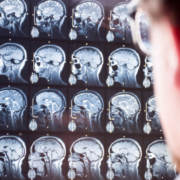
- Objective Proof: Modern imaging tools like CT scans and MRIs provide visual proof of an injury that is otherwise invisible. Without these tests, a TBI claim relies solely on the victim’s subjective reports of pain or confusion, which are easier for insurers to dismiss.
- Documentation of Long-Term Needs: A prompt diagnosis starts a chain of documentation that can help calculate “future damages,” including the cost of lifelong care, lost earning capacity, and the loss of enjoyment of life.
The Significance of Immediate Medical Attention
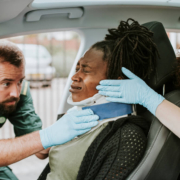
After a car accident, seeking medical help right away is crucial. Even if you don’t feel any pain immediately, a traumatic brain injury could still be present and might not show symptoms until later. Medical experts have the tools to detect injuries that aren’t obvious at first glance. Early detection and treatment are vital in preventing complications and improving recovery chances—many medical experts indicate that the speed with which a victim seeks medical care plays a major role in the outcome of their brain injury. The brain is extremely plastic, meaning that it can adapt to significant losses by creating new connections, but it requires the appropriate treatment and rest to recover.
Quick medical attention also ensures that you have proper documentation of your injuries. These medical records are important if you decide to file a legal claim later on. They provide clear evidence of your condition and the treatment you received, which can support your case. Never underestimate the importance of getting checked by a healthcare professional as soon as possible after an accident.
Your Future Health and Recovery
After experiencing a traumatic brain injury, the road to recovery can be tough and requires patience and commitment. You’ll likely need a mix of physical therapy, cognitive exercises, and emotional support to help you heal. Some victims, particularly those with severe traumatic brain injuries, also require occupational therapy. Following your healthcare provider’s advice and keeping all your appointments is essential for the best possible recovery.
Being proactive about your treatment can significantly impact your overall health. Regular check-ups and following your rehabilitation plan can help you regain your strength and improve your quality of life. It’s also important to listen to your body and communicate any new symptoms or concerns to your healthcare team.
Take the First Step with Gardner Law Group
Let’s discuss your traumatic brain injury and create a plan of action for your claim. To set up your consultation with Gardner Law Group, call us at 228-436-6555 or fill out our online contact form to have a team member get in touch with you.