
How to Protect Your Rights After an Accident with a Drunk Driver
The seconds following a collision on Highway 90 or Interstate 10 often feel entirely surreal. You might see flashing lights, hear the sound of sirens approaching, and begin feeling the immediate onset of physical pain.
When you discover the driver who struck your vehicle was intoxicated, the situation shifts from a standard traffic accident into a complex legal fight. Victims are suddenly forced to deal with police investigations, emergency room doctors at local facilities like Singing River Hospital, and aggressive insurance adjusters.
What Are Your Immediate Legal Rights After a Drunk Driving Crash in Mississippi?
The foundation of your legal rights rests on the civil tort system. While law enforcement agencies in Biloxi or Pascagoula may arrest the driver and file criminal charges, that process is designed solely to punish the offender.
A judge in criminal court might order restitution, but those amounts rarely cover the massive expenses associated with a severe injury. Your civil rights allow you to bypass the criminal system and target the driver’s financial resources directly.
Your right to compensation covers two primary categories of harm. Understanding these categories helps you evaluate the true cost of the crash. The damages available to victims generally include:
- Economic Damages: Out-of-pocket expenses including the ambulance ride, emergency care at the University of Mississippi Medical Center (UMMC), ongoing physical therapy, and lost wages.
- Non-Economic Damages: Financial recovery for physical pain, the loss of ability to enjoy your hobbies, and the mental trauma of surviving a violent crash.
- Future Care Costs: Compensation for anticipated surgeries, long-term medication, and permanent disability accommodations.
Insurance companies frequently attempt to minimize these rights. They might contact you within days of the accident, offering a fast check to cover your current medical bills. We consistently advise clients that accepting this initial money requires signing a release of liability. This permanently destroys your right to seek further compensation when your injuries require long-term care.
How Does Mississippi Code § 63-11-30 Define DUI for Civil Liability?
In a standard car accident claim, the injured party must prove that the other driver acted unreasonably. Drunk driving cases streamline this process through a legal doctrine known as negligence per se. When a driver violates Mississippi Code Section 63-11-30, the court automatically presumes they breached their duty of care. You no longer have to debate whether their driving was reckless; the intoxication itself establishes fault.
The statute sets strict limits for blood alcohol concentration (BAC). Depending on the classification of the driver, the legal thresholds in Mississippi are broken down as follows:
- Standard Adult Motorists: A BAC of 0.08% crosses the legal threshold for private drivers.
- Commercial Drivers: Truck drivers operating big rigs along the I-10 corridor are held to a stricter standard of 0.04%.
- Underage Drivers: Mississippi enforces a strict zero-tolerance policy for minors, setting their limit at just 0.02%.
A criminal conviction provides a massive advantage in your civil case, but it is not strictly required. Because criminal courts demand proof beyond a reasonable doubt, a driver might escape a DUI conviction due to a technicality with the breathalyzer calibration. Civil courts use a lower standard called the preponderance of the evidence. We routinely win civil cases against drunk drivers in Harrison County Circuit Court even if their criminal charges were dismissed or reduced.
Can You Recover Punitive Damages Against an Intoxicated Driver in Mississippi?
Punitive damages serve an entirely different purpose than standard compensation. Rather than reimbursing you for a loss, these damages exist to punish the wrongdoer and deter the community from engaging in similar behavior. Because choosing to drive drunk demonstrates a reckless disregard for human life, juries frequently award punitive damages in these specific cases.
In standard personal injury cases, lawmakers place strict statutory caps on the amount of punitive damages a jury can award based on the defendant’s net worth. However, Mississippi Code Section 11-1-65 provides a massive exception. If the defendant was acting under the influence of intoxicating liquor or illegal drugs, the statutory caps are completely removed.
This uncapped potential represents your strongest leverage against the insurance company. Auto insurers are terrified of placing a drunk driving case in front of a Jackson County jury, knowing the jury has unlimited authority to punish the driver’s behavior. We use this fear to push for much higher pre-trial settlement amounts than you would receive in a standard distracted driving collision.
Does Mississippi’s Dram Shop Law Allow You to Sue the Bar or Restaurant?
Finding every potential source of recovery is essential, especially when injuries are catastrophic. Sometimes the drunk driver simply does not have enough insurance to cover your medical bills. In these scenarios, we look at where the driver was drinking before they got behind the wheel. Mississippi’s Dram Shop laws regulate when a business can be held financially responsible for their patron’s actions.
The law heavily favors business owners, starting with a general presumption of immunity. A bartender is not automatically liable just because a customer left their establishment and caused a wreck. To break through this immunity, we must gather compelling evidence that the server continued to pour drinks for someone who was already visibly intoxicated.
Proving visible intoxication requires aggressive, immediate investigation. We look for specific signs that the bartender ignored, such as:
- The patron slurring their words when ordering a drink.
- Stumbling, swaying, or requiring support to stand at the bar.
- Aggressive, overly loud, or inappropriate behavior toward staff and other customers.
- Bloodshot eyes and a strong odor of alcohol early in the evening.
What Happens if the Drunk Driver Is Uninsured or Underinsured?
A frustrating reality of our legal system is that drivers willing to drive drunk are often the same individuals who fail to pay their auto insurance premiums. Many intoxicated drivers carry only the state minimum liability limits of $25,000, which barely covers a single day in the intensive care unit.
When the at-fault driver lacks adequate coverage, you are not out of options. Uninsured and Underinsured Motorist (UM/UIM) coverage acts as a safety net. If you have this coverage on your own auto policy, your insurance company steps into the shoes of the drunk driver. They pay the settlement that the drunk driver should have paid, up to the limits you selected when purchasing your policy.
Filing a UM/UIM claim does not mean your insurance company becomes your friend. They will fight just as hard to minimize your payout as the opposing insurer would. Having skilled legal representation ensures your own insurance company treats you fairly and honors the contract you paid for. Furthermore, utilizing this coverage protects you financially without penalizing you for another driver’s reckless choice.
How Does Pure Comparative Negligence Affect Your Claim if You Were Partially at Fault?
Insurance defense attorneys love to point the finger back at the victim. They might argue that while their client was drunk, you could have avoided the crash if you hadn’t been driving slightly over the speed limit. Many victims mistakenly believe that if they made any driving error, they lose their right to sue.
Under Mississippi’s pure comparative negligence standard, shared fault does not destroy your case. Instead, the court assigns a percentage of blame to each driver and reduces the financial award accordingly. For example, if a jury determines your total damages are $200,000, but finds you 10% responsible for failing to brake fast enough, your net recovery would be $180,000.
Because it is a pure system, you can legally recover compensation even if you are deemed 90% at fault for the accident, though you would only receive 10% of the total damages. We aggressively fight back against insurance adjusters who try to shift the blame onto our clients, ensuring the focus remains squarely on the drunk driver’s catastrophic choices.
What Evidence Is Necessary to Prove the Other Driver Was Intoxicated?
Evidence disappears rapidly in the days following a crash. Relying entirely on the police department to build your civil case is a massive mistake. The police are gathering evidence for criminal prosecution, not to maximize your financial recovery. You need independent proof of the driver’s condition.
We rely on a combination of medical, visual, and testimonial evidence to build an ironclad case. The most powerful forms of evidence in a drunk driving lawsuit include:
- Toxicology Reports: Blood or breath test results administered by law enforcement or hospital staff immediately following the collision.
- Police Body Camera Footage: Video showing the driver failing field sobriety tests, slurring their words, or acting aggressively toward officers.
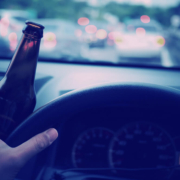
- Open Container Evidence: Photographs from the crash scene showing empty bottles or cans inside the tortfeasor’s vehicle.
- Witness Testimony: Statements from bystanders who observed the driver weaving through traffic on Highway 90 prior to the impact.
- 911 Call Transcripts: Audio recordings of other motorists reporting a dangerous driver just minutes before your accident occurred.
Securing this evidence requires sending formal preservation letters immediately. If you wait months to hire a drunk driving attorney in Mississippi, surveillance cameras at nearby businesses will record over their footage, and 911 dispatch centers may purge their audio logs.
How Long Do You Have to File a Drunk Driving Injury Lawsuit in Mississippi?
The legal clock begins ticking the moment the crash occurs. The statute of limitations serves as an absolute deadline. If you attempt to file a lawsuit in Jackson County Circuit Court three years and one day after the accident, the judge will dismiss your case entirely. Once the case is dismissed, you lose all rights to financial recovery.
While three years sounds like a comfortable window of time, delaying legal action severely damages your case. Building a strong medical profile requires consistent documentation from the very beginning. If you wait two years to file, the defense will argue that your injuries must not have been severe, or they will suggest your back pain was caused by an entirely different event that happened after the crash.
Special rules apply if the drunk driver was operating a government vehicle such as a city utility truck or a state-owned sedan. In these rare instances, the Mississippi Tort Claims Act applies, demanding a highly specific notice of claim filed within one year. Misunderstanding these deadlines is one of the most common ways unrepresented victims inadvertently ruin their own claims.
Should You Accept an Early Settlement Offer from the Drunk Driver’s Insurance?
Insurance companies deploy specialized tactics when their policyholder causes a drunk driving wreck. They know they face massive financial exposure, especially regarding uncapped punitive damages. To mitigate their losses, adjusters will often call you within 48 hours, acting sympathetic and offering a fast check to cover your immediate bills.
This is a strategic trap. Accepting that check requires signing a general release. Here is exactly what you forfeit by taking early settlement money:
- Future Medical Coverage: If you discover next month that your neck injury requires spinal surgery, the insurance company owes you nothing.
- Pain and Suffering Compensation: Early offers almost exclusively cover hard economic costs, offering zero dollars for the trauma you endured.
- Punitive Leverage: You surrender your right to leverage the threat of a jury trial to maximize the payout.
- Hidden Injuries: Brain injuries and soft tissue damage often take weeks to manifest fully. An early settlement locks you out of recovery before you even know the extent of your harm.
Never sign documents or provide recorded statements to an adverse insurance adjuster without consulting legal counsel. They are trained negotiators tasked with protecting corporate profits, not your physical recovery.
Contact Gardner Law Group After a Drunk Driving Crash in Mississippi
Recovering from severe injuries caused by an intoxicated motorist requires a legal team that understands local courts and aggressive insurance tactics. At Gardner Law Group, our experienced attorneys focus on protecting the financial stability of crash victims across Pascagoula, Ocean Springs, Biloxi, Gulfport, Jackson County, and central Mississippi. Most personal injury attorneys work on a contingency fee basis, which means you do not pay any attorney’s fees unless we win your case. You owe us nothing upfront for our investigation and representation.
Contact us today to schedule a free, confidential case evaluation.
Frequently Asked Questions About Drunk Driving Accidents
Will my civil case be paused if the driver is facing criminal DUI charges?
In some instances, the defense may request a stay to pause the civil lawsuit until the criminal proceedings conclude, arguing that civil depositions could violate their Fifth Amendment rights. However, our attorneys actively fight against these delays to keep the pressure on the insurance company. Even if a brief pause occurs, we continue gathering evidence and building your medical profile behind the scenes.
Can I sue if the drunk driver was acquitted in criminal court?
Yes. Criminal courts require proof beyond a reasonable doubt, which is a very high legal bar. Civil courts only require a preponderance of the evidence, meaning it is more likely than not that the driver was impaired and caused your injuries. We successfully secure civil compensation for clients even when the criminal charges are dropped or reduced to reckless driving.
Who pays my immediate hospital bills while the lawsuit is pending?
Your own personal health insurance policy or your auto policy’s Medical Payments (MedPay) coverage should be used to cover immediate emergency room and surgery costs. Once we secure a settlement or jury verdict against the drunk driver, a portion of those funds will be used to reimburse your health insurance provider through a process called subrogation.
Can a passenger in the drunk driver’s car file a lawsuit?
Yes. If you were a passenger in the vehicle driven by an intoxicated person, you maintain the right to file a personal injury claim against their auto insurance policy. However, the defense may attempt to reduce your compensation by arguing comparative negligence, suggesting you knowingly assumed a risk by getting into the car with an impaired driver.
Are punitive damages covered by the drunk driver’s auto insurance?
This depends heavily on the specific language written into the driver’s insurance policy. Some standard auto policies explicitly exclude coverage for punitive damages, leaving the driver personally responsible for that portion of the award. During our investigation, we review the policy limits and exclusions to determine the most effective strategy for maximizing your total financial recovery.
What is the average settlement for a drunk driving accident in Mississippi?
There is no accurate average settlement amount, as every case relies entirely on the specific facts of the collision. The value of your claim depends on the severity of your physical injuries, the total amount of your medical bills, the impact on your earning capacity, and the available insurance policy limits. Claims involving catastrophic injuries, extensive treatment, and clear evidence of extreme intoxication naturally result in higher compensation.